
What is a Macro-Influencer? Definition, Benefits, and How They Work
Discover what is a macro-influencer, how they differ from micro-influencers, real campaign examples, and practical tips for finding and vetting the right creators.
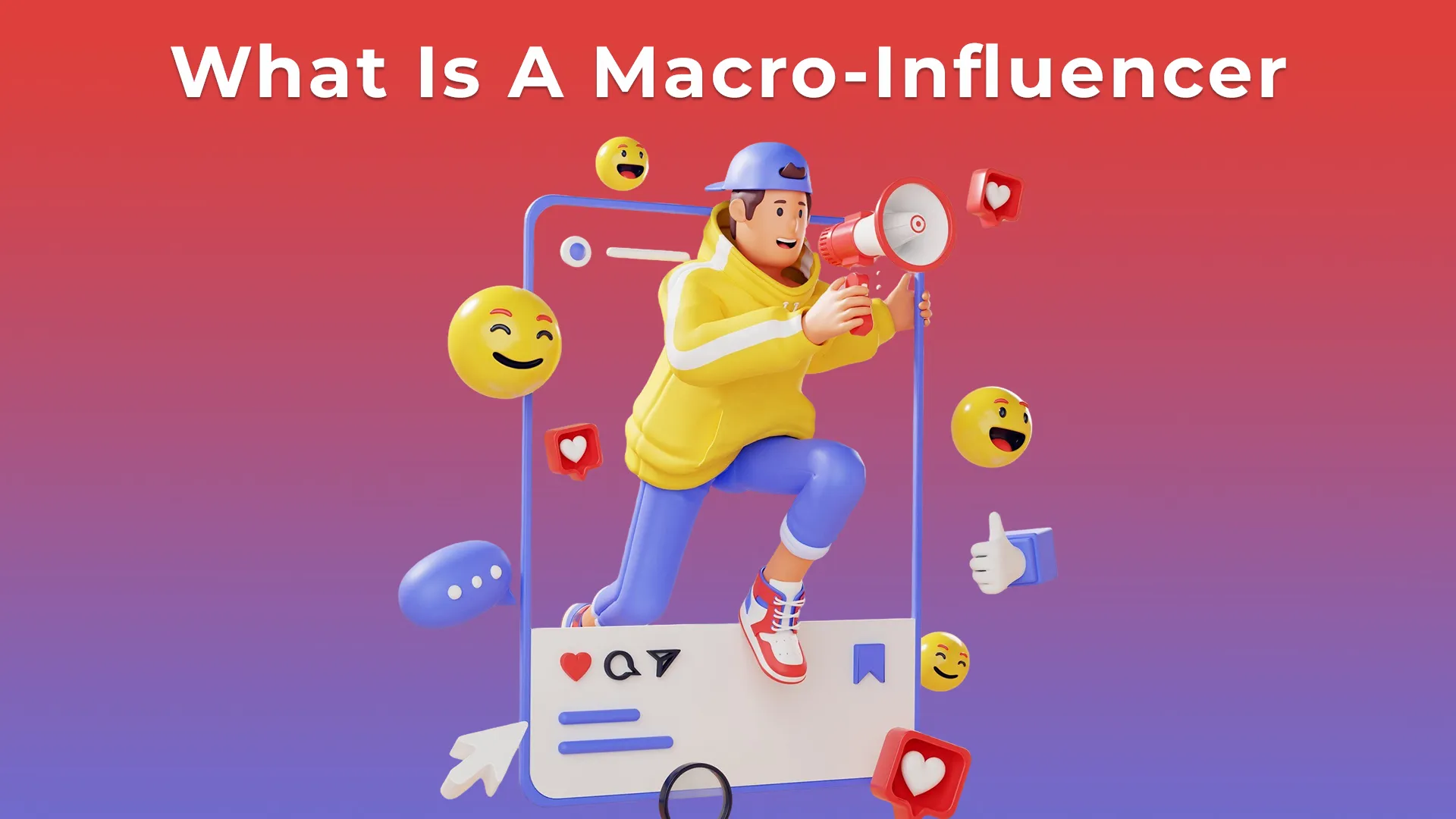
What is a macro-influencer? Think of them as the professional content creators who've built massive audiences but haven't quite reached celebrity status.
We're talking about Instagram creators, YouTubers, and TikTokers with follower counts between 100,000 and 1 million. They've turned content creation into a full-time career, and brands pay serious money to tap into their reach.
These creators occupy a unique space in influencer marketing. They're big enough to drive real brand awareness, yet personal enough to maintain authentic connections with their followers. That balance makes them incredibly valuable for the right campaigns.
Key Takeaways
-
Macro-influencers have 100,000 to 1 million followers and charge $5,000-$10,000 per Instagram post
-
They deliver 2-7% engagement rates, lower than micro-influencers but with significantly more total reach
-
Best for brand awareness campaigns, product launches, and reaching diverse demographics quickly
-
Vet carefully: check engagement rates, audience demographics, and past partnerships before committing
-
Combine macro-influencers with micro-influencers for campaigns that balance reach and authenticity
-
Professional content quality from macro-influencers can be repurposed across your marketing channels
Understanding Macro-Influencer Follower Count and Reach
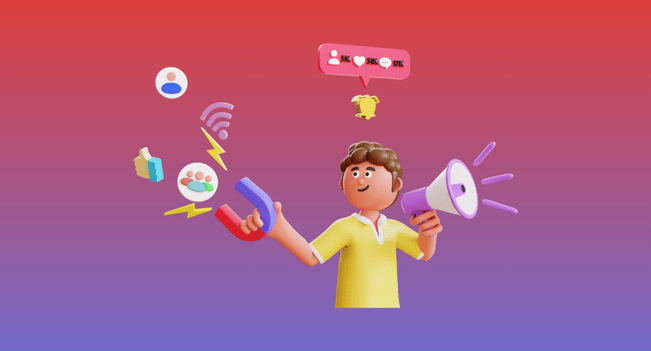
Here's where things get a bit confusing. What is considered a macro influencer varies depending on who you ask. Most marketing experts agree on the 100,000 to 1 million follower range, but you'll find some variations out there.
Some may define macro-influencers as creators starting at 200,000 followers. Others put the threshold at 500,000. The inconsistency reflects how different industries and platforms view influence differently.
What matters more than the exact number? How these creators built their audiences. Unlike mega-influencers who were famous before social media, macro-influencers earned their following through content. They started as bloggers, vloggers, or niche experts and grew their communities organically over time.
Their reach is genuinely impressive. A single Instagram post from a macro-influencer can hit hundreds of thousands of people across different demographics.
How Macro-Influencers Differ from Micro and Mega-Influencers
Let me break down where macro-influencers fit in the creator ecosystem:
| Influencer Tier | Follower Count | Avg. Engagement Rate | Cost Per Post | Best For |
|---|---|---|---|---|
| Nano | 1K-10K | 14-20% | $10-$100 | Hyper-local campaigns |
| Micro | 10K-100K | 7-20% | $100-$500 | Niche targeting |
| Macro | 100K-1M | 2-7% | $5,000-$10,000 | Brand awareness |
| Mega | 1M+ | 1-2% | $10,000+ | Mass market reach |
Macro-Influencer Engagement Rates and Performance Metrics
Engagement rates drop as follower counts climb. That's just how social media works. For macro-influencers on Instagram, you're looking at engagement rates between 2% and 7% in 2024.
Let me put that in perspective. A macro-influencer with 300,000 followers posting at a 4% engagement rate generates 12,000 likes, comments, and shares. A micro-influencer with 30,000 followers at 12% engagement gets 3,600 interactions. The macro delivers more total engagement despite the lower percentage.
The math shifts your strategy. If you need 50,000 people to see and interact with your message, you'd need to coordinate with roughly 15 micro-influencers. Or you could work with two macro-influencers. That's fewer contracts, simpler coordination, and often better content quality.
As you've seen, reach scales dramatically once your follower count grows. That increase in visibility is exactly why macro-influencers earn more and land bigger brand deals.
If you're working toward those higher tiers and want to accelerate your growth, you can buy Instagram followers through the service we offer. It's an effective way to strengthen your social proof early on, using followers from real accounts with fast delivery, helping you attract more organic engagement and future partnerships.
Benefits of Working with Macro-Influencers
Massive reach hits differently at the macro level. One Instagram post can land your brand in front of 300,000 to 800,000 people instantly. That's the kind of visibility that takes months to build through organic content or costs a fortune in paid ads.
The content quality alone justifies the investment for many brands. Macro-influencers work with professional photographers and video editors. They understand lighting, composition, and storytelling at a level most in-house teams can't match. You're essentially getting a full production studio for the price of one post.
Additionally, these creators bring established credibility. Their audiences trust them because they've followed their journey for years. When they recommend your product, it carries weight. That's how influencers make money at this level, through authentic endorsements that actually drive purchasing decisions.
Speed matters too. Launch a new product with three macro-influencers and you can generate hundreds of thousands of impressions within 48 hours. Try achieving that through SEO or traditional PR. It takes months.
Challenges to Consider
The budget hit comes first. Dropping $8,000 on a single Instagram post requires serious marketing dollars. Smaller brands often can't justify that expense, especially without a guaranteed ROI. You're making a significant bet that their audience will care about your product.
Lower engagement rates mean less interaction per follower. A macro-influencer might deliver 100,000 impressions but only 3,000 meaningful interactions. Compare that to a micro-influencer's 10,000 impressions with 1,500 interactions. You're paying more for less proportional engagement.
Authenticity concerns are real. Take the fashion influencer who posts sponsored content three times per week. Her followers start tuning out because everything feels like an ad. That sponsored content fatigue directly impacts your campaign performance.
Furthermore, macro-influencers can simply say no. They're selective about partnerships because their reputation depends on brand alignment.
When Should You Choose a Macro-Influencer?
Product launches demand maximum visibility fast. Macro-influencers deliver that. Imagine you're launching a new skincare line and need 500,000 people to know about it within one week.
Three macro-influencers can hit that number. Coordinating 50 micro-influencers to achieve the same reach? That's a logistics nightmare.
Brand awareness campaigns thrive with macro reach. If your goal is getting your name out there rather than immediate conversions, macro-influencers make sense. Their audiences might not buy today, but they'll remember your brand exists when they're ready.
You need substantial budget flexibility. We're talking $15,000 to $50,000 for a multi-post campaign. If that number makes you uncomfortable, stick with micro-influencers for now.
Here's a smart strategy: combine both tiers. Use two macro-influencers for broad awareness, then deploy ten micro-influencers for targeted engagement. You get reach and authenticity in one campaign. That balanced approach often delivers better overall ROI than going all-in on either tier alone.
How to Find Macro-Influencers for Your Brand
Instagram's native search works surprisingly well. Search relevant hashtags in your industry and sort by top posts. See who's consistently appearing? Those creators likely have the reach and engagement you need. The Explore page also surfaces popular creators in specific niches.
Industry events offer direct access. Many macro-influencers attend conferences to network with brands. You can have face-to-face conversations and gauge personality fit before any money changes hands.
Now for vetting, this part matters more than discovery. Check their engagement rate first, not follower count. A creator with 300,000 followers and 1% engagement has serious problems. You want a minimum of 3% for macro-influencers.
Dig into their audience demographics. Does their follower base match your target customer? A 35-year-old women's activewear brand partnering with a macro-influencer whose audience is 60% men aged 18-24 wastes money.
Pro Tip: Review their past brand partnerships. Have they worked with your competitors? That might be a dealbreaker. Also look at how frequently they post sponsored content. More than two paid posts per week signals oversaturation.
Real Examples of Successful Macro-Influencer Campaigns
Topicals, a skincare brand, invited a group of macro-influencers to Bermuda for their third birthday celebration. The trip generated 3 million impressions and brought in 5,000 new followers across Instagram and TikTok. More importantly, the authentic content from that experience felt organic rather than forced advertising.
PlayStation took a different approach for their PSVR campaign. They mixed macro, micro, and nano-influencers to bridge tech audiences with gamers.
The macro-influencers handled broad awareness while smaller creators drove engagement. Posts using #PlayStationVR and #ITriedPSVR reached millions across Instagram and YouTube. The layered strategy let them dominate multiple audience segments simultaneously.
Coach partnered with 40 micro and macro-influencers for a user-generated content push. The macro-influencers created the initial buzz, then Coach reposted all the content across their official channels.
One participating micro-influencer gained nearly 60,000 impressions on her posts alone. The campaign hit 2.3 million people with a 4.5% engagement rate and generated 211 pieces of reusable content.
The pattern across successful campaigns? Brands used macro-influencers strategically for reach, then supported with smaller creators for depth.
That combination maximizes both visibility and authentic engagement. You're essentially using macro-influencers as the megaphone and micro-influencers as the conversation starters.
Conclusion
What is a macro-influencer? They're professional content creators with 100,000 to 1 million followers who deliver massive reach with credible authenticity. Macro-influencers cost more than micro-influencers but less than celebrities, making them perfect for brand awareness campaigns with serious budgets.
The right choice depends on your goals and resources. Need quick visibility across hundreds of thousands? Macro-influencers deliver. Working with a tighter budget or targeting niche audiences? Start with micro-influencers instead.
Test small, measure results, and scale what works. That's how you build influencer campaigns that actually drive business results.
FAQs | Frequently Asked Questions
Can you start earning money on Instagram with fewer followers?
You can start earning around 1,000 followers through affiliate links and gifted products. However, consistent paid partnerships typically begin at 10,000 followers. How many followers on Instagram to make money as a macro-influencer? You'll need at least 100,000 followers to command $5,000+ per post.
Do macro-influencers have managers?
Most macro-influencers work with talent agents or management companies who handle negotiations, contracts, and partnerships. This adds professionalism but also increases costs through management fees.
Why does Instagram show me specific content repeatedly?
Instagram's algorithm shows content based on your engagement patterns. “Why is my Instagram explore page full of models?” If you're frequently liking, saving, or watching model content, the algorithm assumes that's your preference and serves more of it. You can reset this by engaging with different content types.
Can macro-influencers guarantee results?
No influencer can guarantee specific sales or conversions. They can provide estimated reach and past campaign performance, but actual results depend on factors like product fit, content quality, and audience interest.